 Skip to content

McKinney HOA & Property Manager Holiday Lighting Checklist
If you are researching McKinney HOA holiday lighting checklist, this guide explains the design, installation, service, and planning details that matter before a final proposal. A successful community or managed-property display begins with clear decisions before installation. This McKinney checklist organizes the contacts, site information, approvals, schedule, service process and post-season records that keep a shared project manageable.

McKinney HOA holiday lighting checklist: what to expect
A reliable plan for McKinney HOA holiday lighting checklist should include a property-specific design, a clearly written scope, suitable materials, professional installation, responsive seasonal support, and an agreed takedown plan.
Local Service Area
Christmas light installation near McKinney, TX
Explore the local service area, then send the property address through Trusty’s quote assistant so the team can confirm availability and site-specific details.
1. Name the decision-maker and project contacts
Begin by identifying who can approve the display, who manages the property day to day, who receives the proposal and who can authorize a change after installation begins. An HOA may involve a board representative and community manager; a multifamily or commercial property may add facilities, ownership, leasing, security or event contacts. Give the installer one primary channel while keeping the responsibility list visible to the full team.
Record phone numbers, email addresses, preferred contact hours and an after-hours path for urgent property conditions. The approved contact list prevents a crew member from accepting an informal request that conflicts with the contract. It also gives maintenance reports a clear destination throughout the season.
2. Map every approved area and visual priority
Use current photographs or a site plan to mark monuments, gates, rooflines, columns, trees, entries, clubhouses, leasing offices, pathways and gathering areas. Label each zone as primary, supporting or optional. A prioritized map lets the property protect the most important arrival experience when the budget or schedule cannot support every idea.
Include normal viewing distance, signs, landscape beds, parking, traffic flow and neighboring light sources. A display that looks balanced from a close sidewalk may disappear from a main road, while a very bright monument can overpower the entrance behind it. Approving the main view in advance helps the designer select the right scale.
Real Elf’s Projects
Authentic work from the project gallery
The photographs below come from completed Elf’s Christmas Lights projects. Explore the full installation gallery for additional roofline, tree, pathway, residential and community examples.

3. Confirm governance, budget and written scope
Document the board, ownership, architectural, tenant or management approval required for each zone. If the property has historic, landlord or municipal considerations, review the applicable requirements before approving surfaces or attachment methods. The City of McKinney maintains resources for designated and potentially eligible historic properties; property-specific questions should go to the appropriate authority.
The approved budget should connect to a marked scope, not a vague promise to decorate the property. Confirm included products, quantities or zones, installation, timers or controls, maintenance, removal, ownership and storage. Also record exclusions and the process for approving additions. This makes competing proposals easier to compare.
See the house before and after professional Christmas lighting
Drag the control or use the arrow keys to compare the same home before and after a professionally planned display.
Lakewood Walkway & Architecture
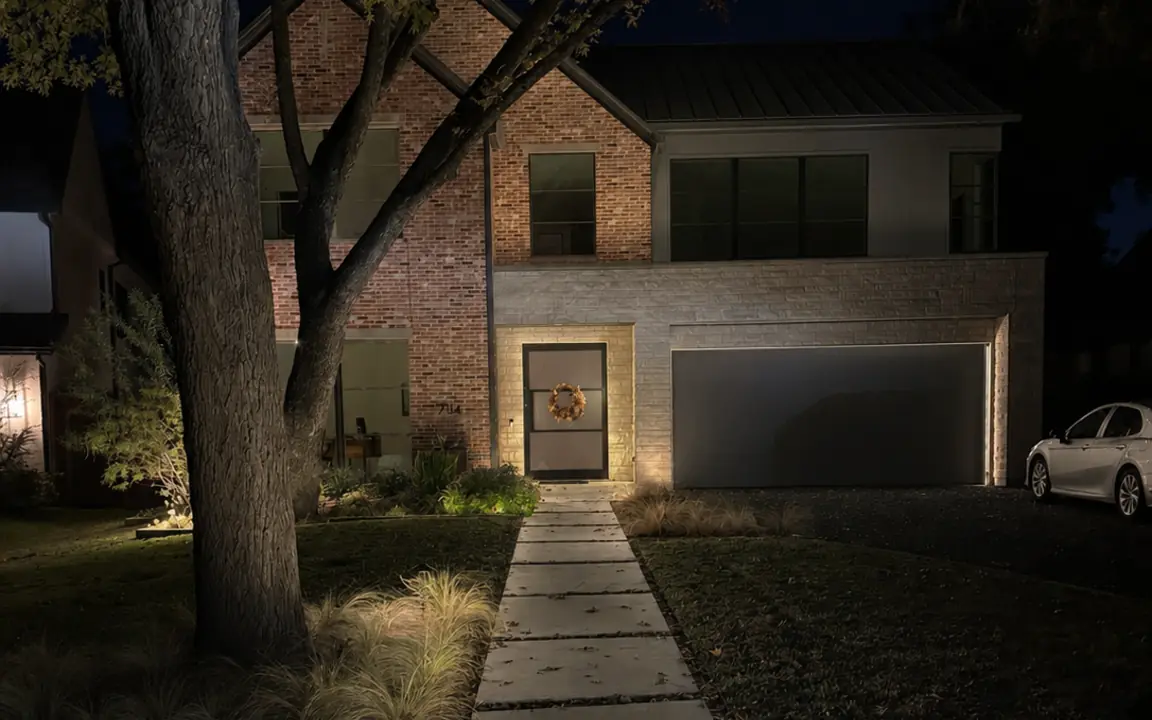 Before
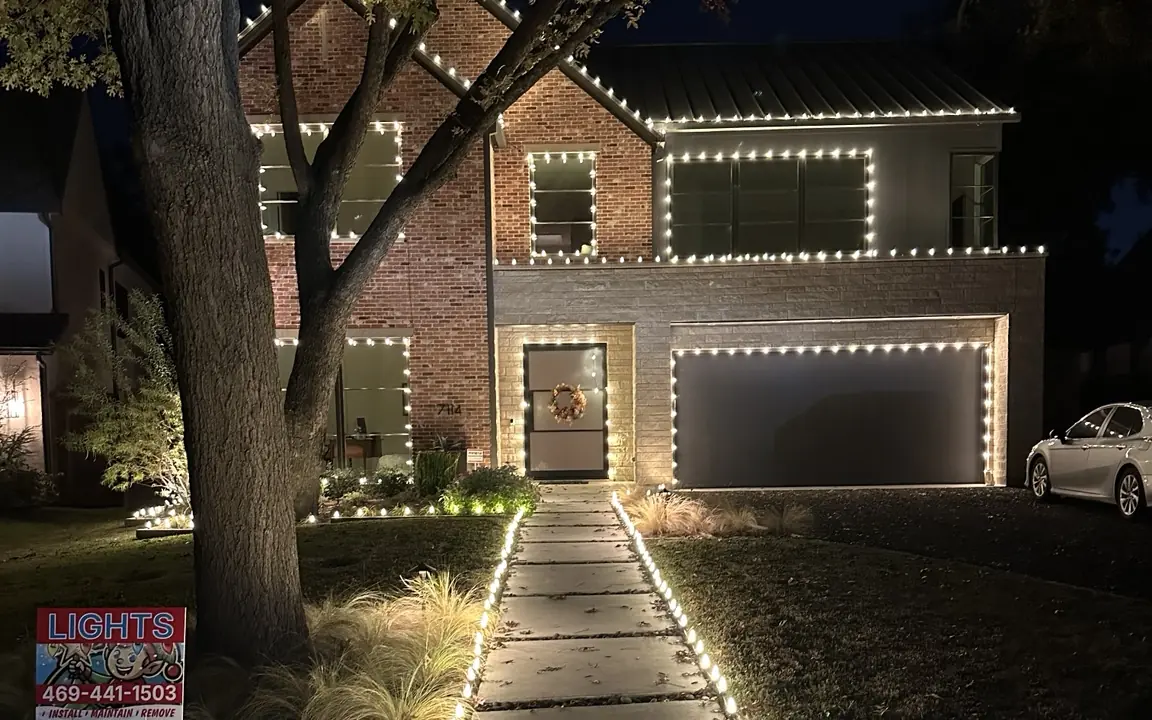 After
AfterLovers Lane Roofline
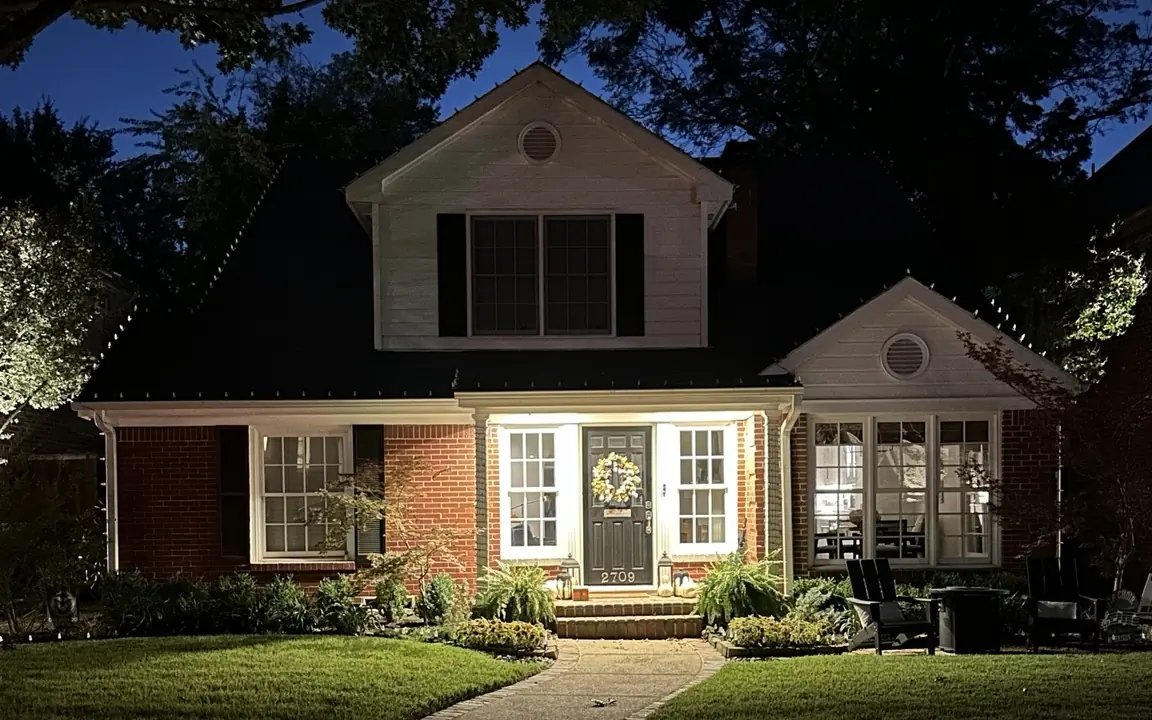 Before
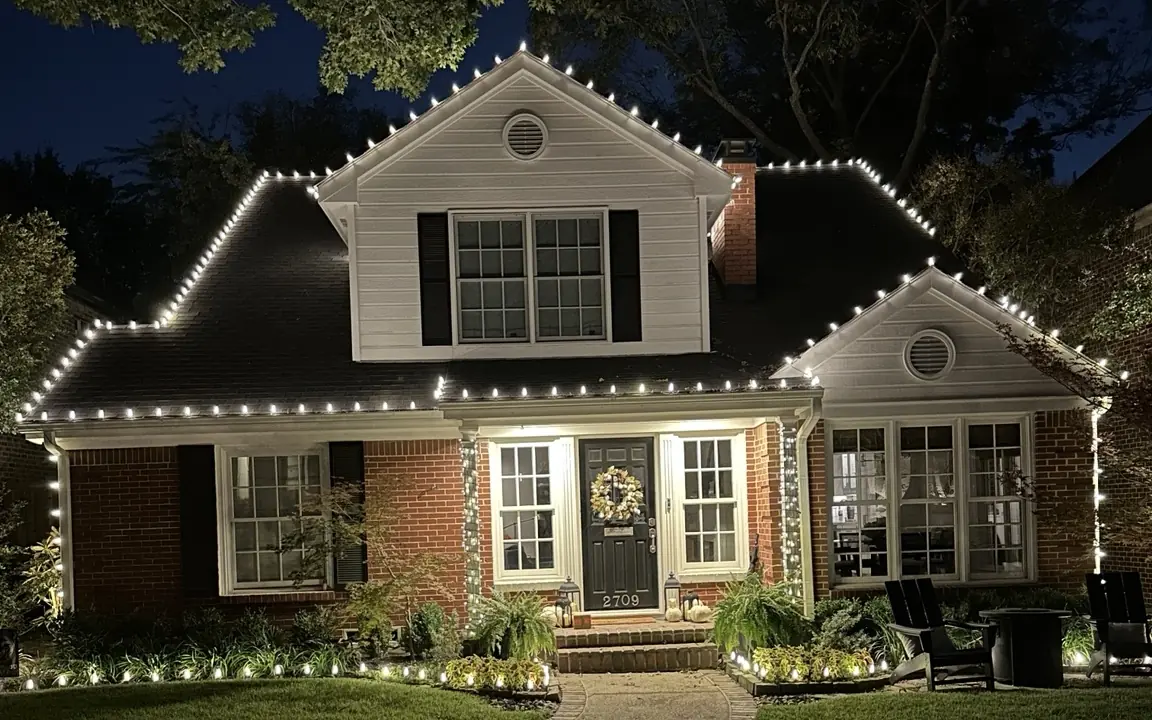 After
AfterGarland Home Transformation
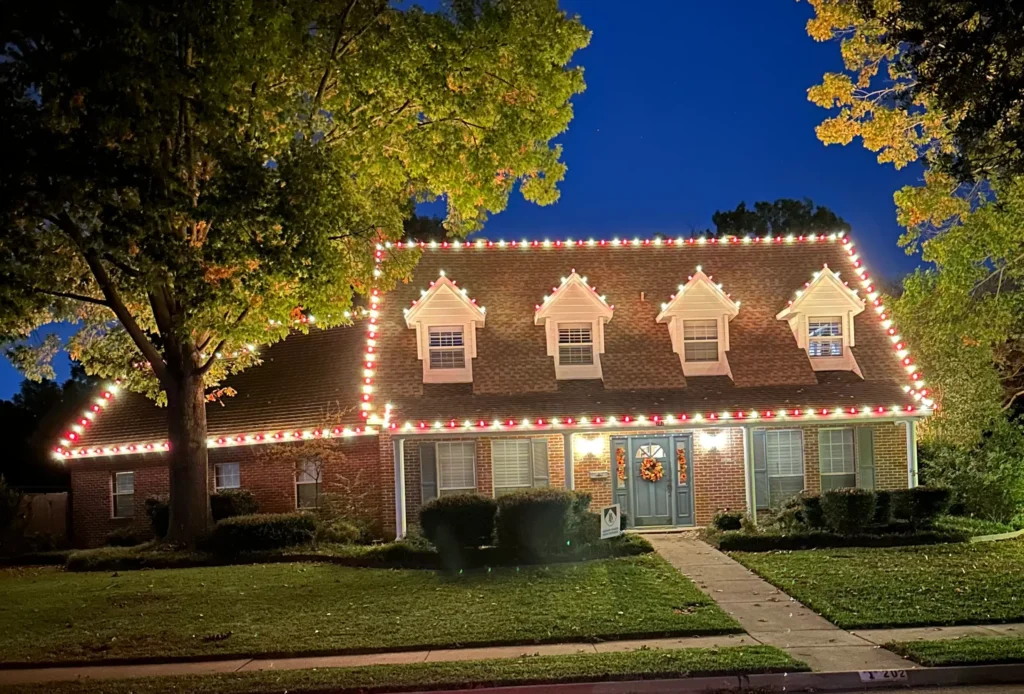 Before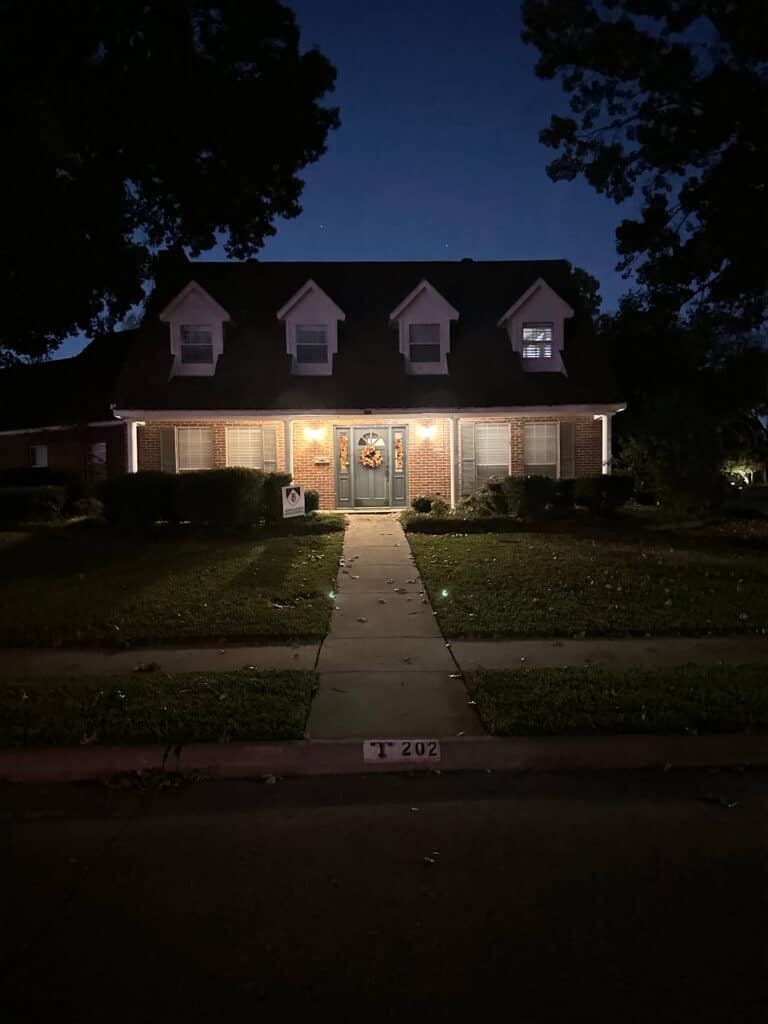
4. Walk the site for power, access and public safety
During the site walk, review available power, control locations, product routes, surface conditions, weather exposure and where equipment can be staged. Note gates, loading areas, roof access, irrigation, landscape service, deliveries, school or event traffic and any hour when work cannot occur. The final method must follow product instructions and fit the actual property.
Protect usable walkways, doors, accessible routes, emergency access and vehicle sightlines. The CPSC highlights wire size, strain relief and overcurrent protection as observable safety characteristics for seasonal lighting products. The checklist should therefore cover complete products and connections rather than treating bulbs as the only component that matters.

5. Set the installation and operating calendar
Choose an installation window that respects approvals, operating hours, events, deliveries and any lift or access requirements. Identify the desired display start, daily on-and-off schedule, event exceptions and removal window. One authorized person should control schedule changes so different teams do not create conflicting timer instructions.
Share the calendar with residents, tenants, staff or vendors who will be affected. A short notice can explain the work zone, expected timing, temporary access changes and the contact for property questions. This is especially important when the crew will work near a clubhouse, leasing office, restaurant patio, school route or busy entrance.
6. Establish maintenance and incident reporting
Create a simple way to report an outage, loose decoration, weather movement, timer issue or damaged component. The report should name the property, exact zone, visible condition, time noticed and any recent event such as wind, rain, landscape work or customer activity. Photographs help the installer understand the location before dispatch.
Do not direct residents or unassigned staff to perform elevated or energized repairs. Keep people away from affected areas and follow the property’s safety process. The service agreement should explain coverage, access, customer-caused changes, weather limitations and how additional work is authorized.
7. Prepare takedown, labeling and storage records
Schedule removal with the same attention given to installation. Confirm the access contact, event conflicts, priority zones and how each product is handled. Labeling should connect materials to the property and installation zone. Record condition, ownership, requested changes and whether the property or installer is responsible for storage.
After removal, review photographs and service notes with the decision-maker. Identify additions, reductions, schedule changes and products that need replacement before the next season. This short debrief keeps annual planning from starting at zero and gives the next budget discussion reliable information.
8. Turn the checklist into a proposal request
Package the marked site plan, current photographs, contact list, approval status, priority zones, operating dates, access rules and vendor requirements. Submit those details through Trusty so the team can review a defined project instead of guessing from a property name alone.
For service details, continue to McKinney commercial and HOA Christmas light installation. For timing, use the McKinney booking and installation calendar. Homeowners can begin with the broad McKinney Christmas light installation page.
Trusty Saves Christmas
A familiar guide from the Elf’s character world
Original mascot artwork keeps the service experience connected to the Trusty Saves Christmas story while the page remains focused on practical property planning.


Meet the Owner
Efrain and the Elf’s Christmas Lights team
Efrain is introduced on the company’s About page as the owner of Elf’s Christmas Lights. This project is supported by a real local team, while Trusty and the other mascot characters give the customer experience its memorable holiday personality.
Meet the TeamFrequently Asked Questions
Who should approve an HOA holiday-lighting scope?
The property should identify the board, manager, owner or architectural authority required by its own documents. The installer should receive one clear approval record.
What should be included in a site walk?
Review display zones, surfaces, power, controls, pedestrian and vehicle routes, access, landscaping, equipment staging, operating hours and service access.
Should residents receive an installation notice?
A notice is useful when work affects common areas, access, parking, amenities or normal activity. The property should decide the message and delivery method.
What records help with next season?
Keep the approved scope, zone photographs, product and ownership notes, maintenance log, removal record, inventory condition and requested changes.
Does this checklist replace the final contract?
No. It helps prepare the project, but the signed proposal and service agreement control the final scope, price, schedule and responsibilities.
Helpful Resources
Build your display plan with Trusty the Elf
Use the calculator to organize your property, preferred lighting style, measurements, timing, and contact details for the team’s final review.

Elf's Christmas Lights
Trusty's Instant Christmas Light Estimate
Tell Trusty about your property and holiday display. You will receive a professional planning estimate before our team confirms the final design and price.
- 1Property
- 2Display
- 3Style
- 4Estimate
Let's start with the property so I can guide you toward the right holiday display.
Turn your McKinney checklist into a clear project plan
Send the approved zones, site photographs, contacts, operating dates and property requirements. Elf’s will use them to organize the site review and written proposal.