 Skip to content

RGB, Animated & Synchronized Christmas Lights
If you are researching RGB Christmas light installation DFW, this guide explains the design, installation, service, and planning details that matter before a final proposal. Programmable RGB lighting can change color, brightness, timing, movement, and mood—but the creative result depends on a reliable system plan. Elf’s Christmas Lights helps customers define the experience, property zones, equipment, operating schedule, programming, and seasonal service before installation begins.

RGB Christmas light installation DFW: what to expect
A reliable plan for RGB Christmas light installation DFW should include a property-specific design, a clearly written scope, suitable materials, professional installation, responsive seasonal support, and an agreed takedown plan.
RGB is a system, not simply a different bulb
A programmable display may include addressable pixels or fixtures, controllers, power supplies, data distribution, enclosures, network components, software, sequences, timers, and optional audio. Products and control methods are not automatically compatible. Run length, voltage drop, data integrity, channel or port capacity, injection, weather protection, and service access must be planned around the selected manufacturer and design.
The customer does not need to become the system engineer, but the proposal should explain what the display will do, who owns and operates the equipment, who creates or licenses sequences, how updates are approved, and what happens if a component needs service.
Choose the right level of movement
Color-changing scenes
Rooflines or features change between approved colors or seasonal scenes on a defined schedule without a song-length show.
Animated effects
Chases, fades, sparkles, waves, and zone-based movement add energy while keeping the display visually organized.
Synchronized show
Programmed lighting follows an audio timeline and requires additional sequencing, testing, audience, sound, traffic, and neighbor planning.

Design scenes before buying equipment
List the property zones first: lower roofline, upper peaks, windows, columns, trees, arches, signs, or commercial façades. Then describe the desired scenes in plain language—classic warm white most nights, red and green on weekends, a team-color scene, a slow sparkle for events, or a scheduled music show. This prevents the technology from dictating a confusing design.
Brightness limits, transition speed, flash frequency, operating hours, and neighboring properties should be considered. Commercial locations should also review brand standards, visitor flow, signs, event programming, and who is authorized to change the show.
See the house before and after professional Christmas lighting
Drag the control or use the arrow keys to compare the same home before and after a professionally planned display.
Lakewood Walkway & Architecture
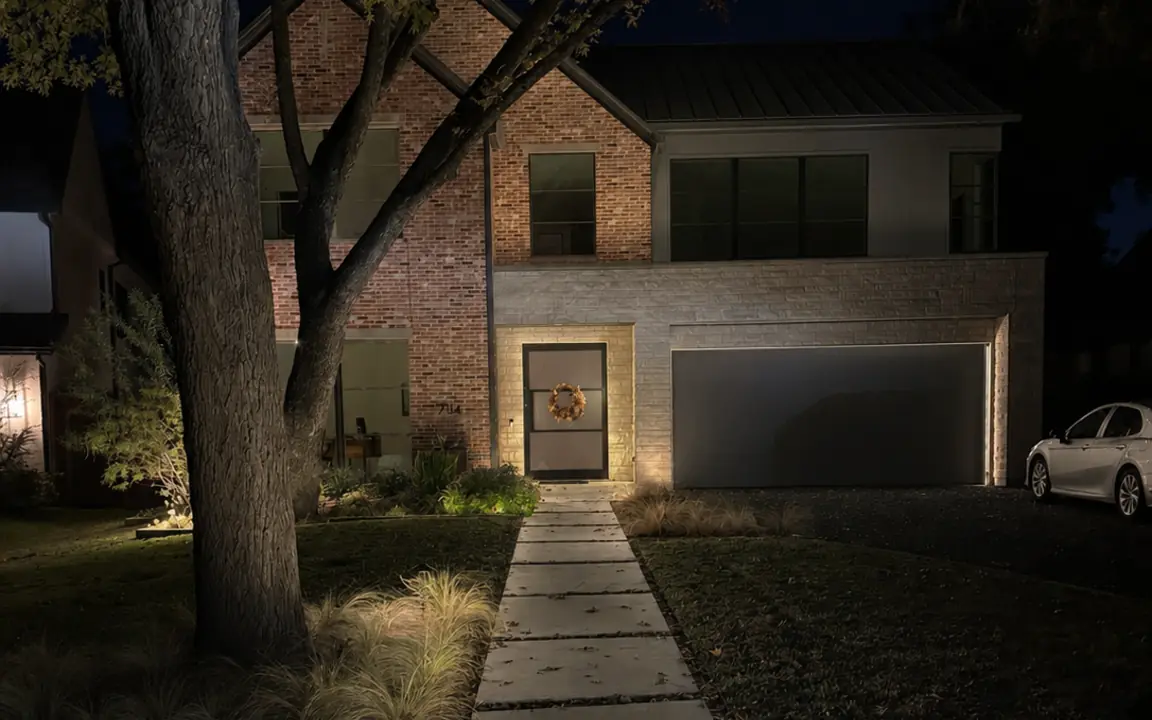 Before
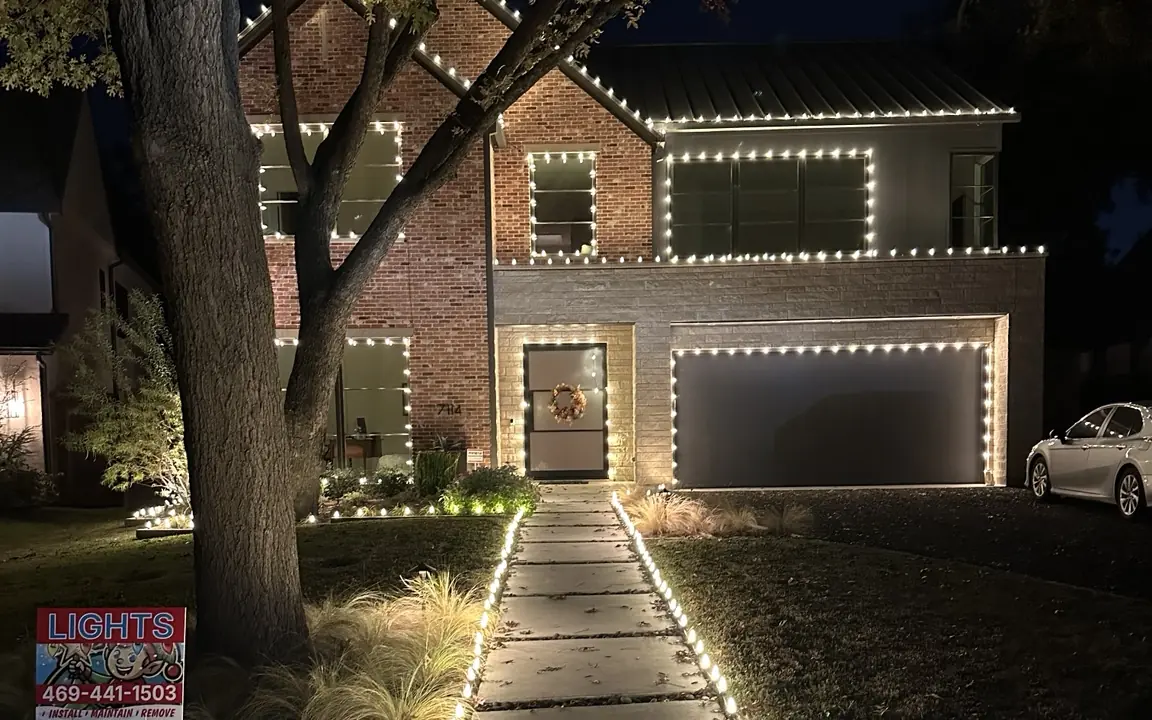 After
AfterLovers Lane Roofline
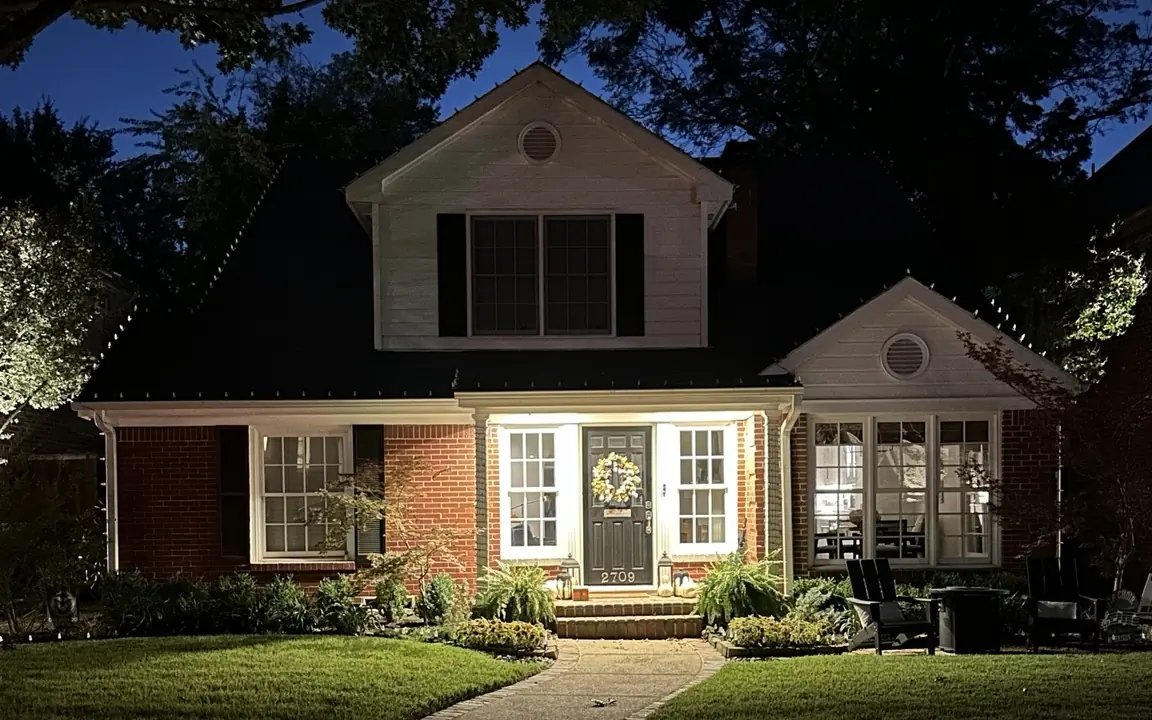 Before
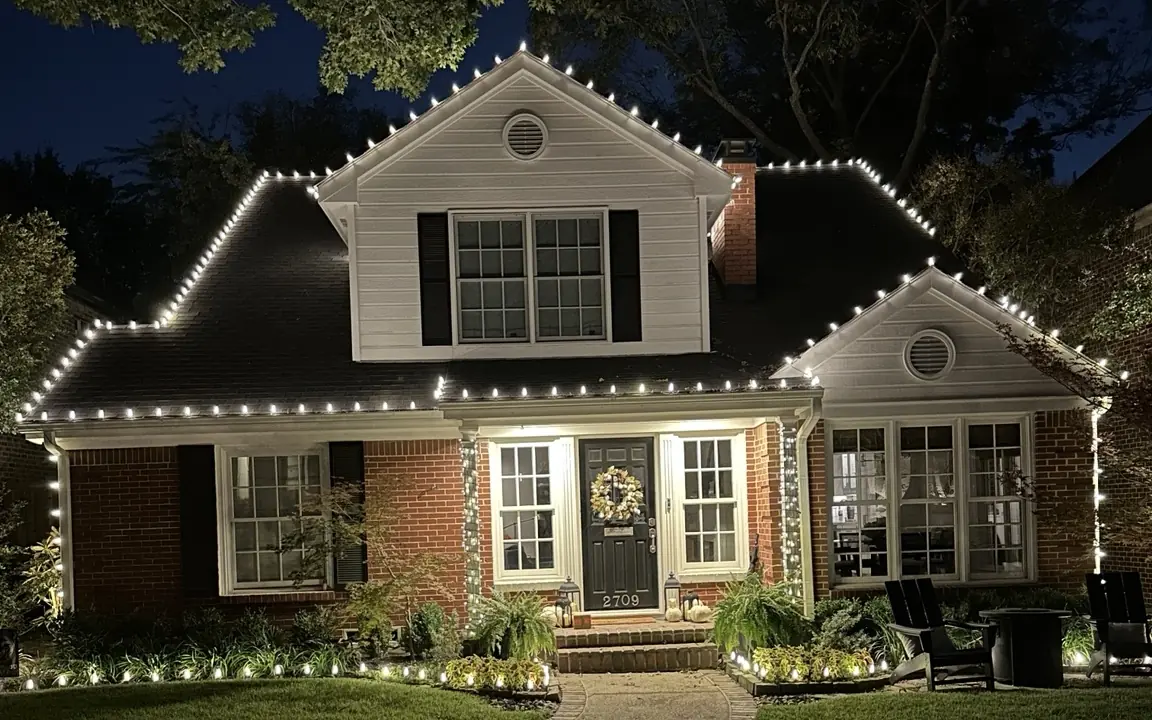 After
AfterGarland Home Transformation
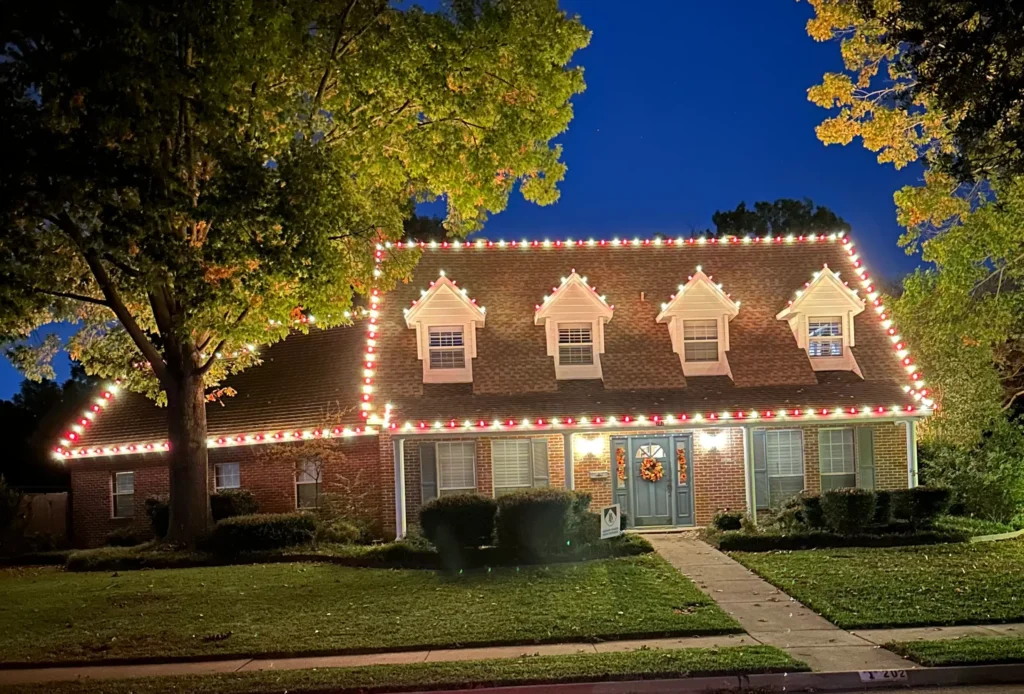 Before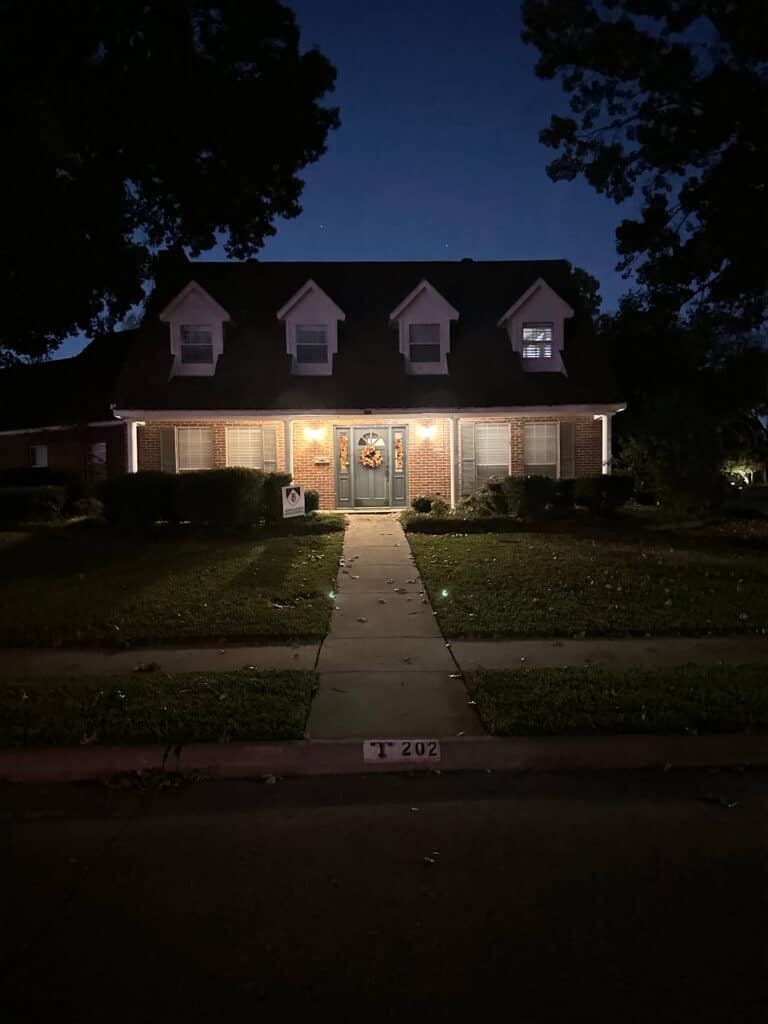
Audio and audience planning for synchronized displays
A music-synchronized display needs a deliberate listening method. Outdoor speakers can affect neighbors and may require site-specific review. A low-power broadcast or other method must comply with applicable rules and be tested at the property. The display plan should address vehicle queues, pedestrian locations, sightlines, parking, event dates, accessibility, operating hours, and a way to pause the show if conditions require it.
Programming also has a real production schedule. Music selection, sequence rights, scene design, revisions, testing, and on-site calibration should be approved early. Do not treat custom sequencing as a last-minute switch that can be added to a static display without changing scope.
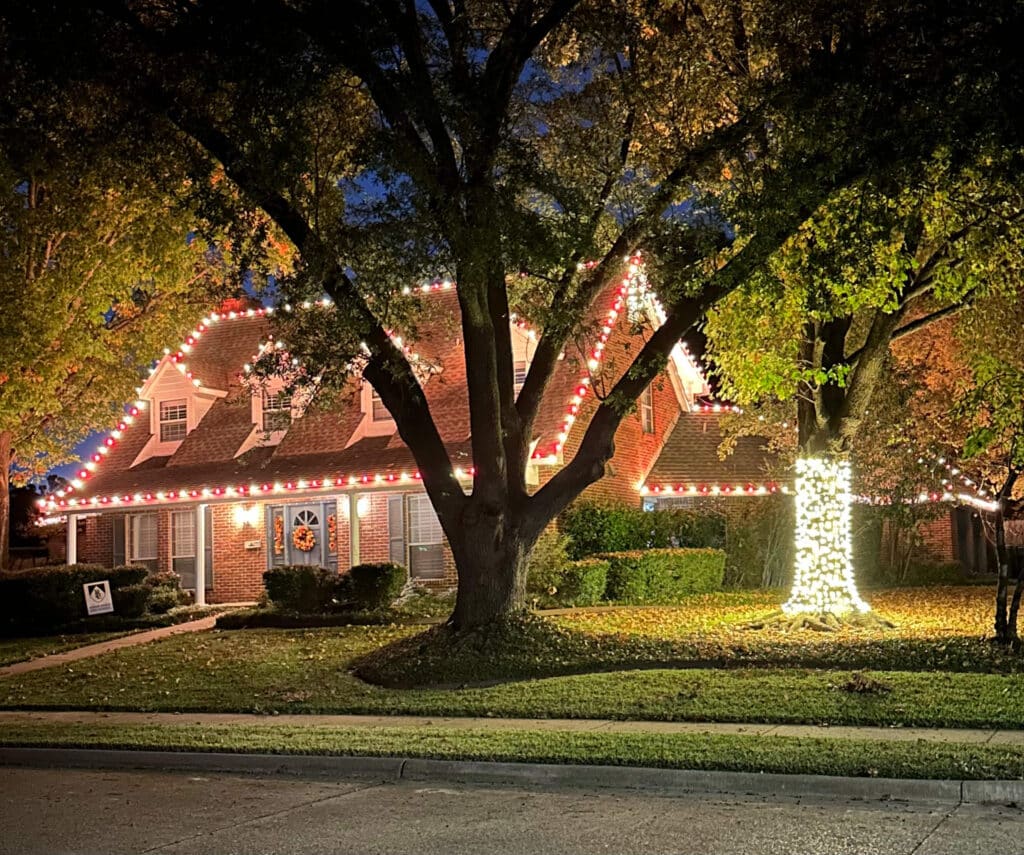
Operation, support, and off-season handling
The handoff should document how the system starts and stops, which controls the customer may use, network or account responsibilities, approved scene schedule, emergency shutdown, service contact, and change policy. Controllers and programmed components should be labeled and handled according to product instructions during removal and storage.
If year-round color scenes are the goal, compare this seasonal approach with the permanent holiday lighting guide. For a complete creative foundation, begin with design and planning.

Frequently Asked Questions
What is the difference between RGB and synchronized lighting?
RGB describes color-changing capability. A synchronized display follows a programmed timeline, often with music. RGB lights can be used without creating a synchronized show.
Can an RGB display also show warm white?
Some systems can create a white appearance, but tone and brightness vary by product. Review an actual sample if a specific architectural white is important.
Can I control the show from my phone?
That depends on the selected controller, software, network, permissions, and support model. The approved handoff should state what customer control is available.
How early should a custom synchronized show be planned?
Begin well before peak installation season. Design, equipment, sequencing, revisions, site testing, audio, traffic, and event requirements add lead time.
Helpful Resources
Build your display plan with Trusty the Elf
Use the calculator to organize your property, preferred lighting style, measurements, timing, and contact details for the team’s final review.

Elf's Christmas Lights
Trusty's Instant Christmas Light Estimate
Tell Trusty about your property and holiday display. You will receive a professional planning estimate before our team confirms the final design and price.
- 1Property
- 2Display
- 3Style
- 4Estimate
Let's start with the property so I can guide you toward the right holiday display.
Ready to create your Christmas lighting plan?
Tell Trusty the Elf what you want to decorate. Our team will review the property, design, access, materials, and schedule before confirming your final proposal.
Expanded Planning Coverage
More ways to plan RGB, Animated & Synchronized Christmas Lights
Explore the related property, design, service and decision questions below. Each topic stays on this page because it supports the same primary search intent and customer next step.
Products & technology
Programmable RGB Christmas lights DFW
Treat this as a distinct planning question and connect it to verified scope, property conditions, useful examples and a clear next step.
Music-synchronized holiday light installation
Treat this as a distinct planning question and connect it to verified scope, property conditions, useful examples and a clear next step.
Scope reminder: Final availability, products, timing, service coverage and price are confirmed only through the property-specific written proposal.